
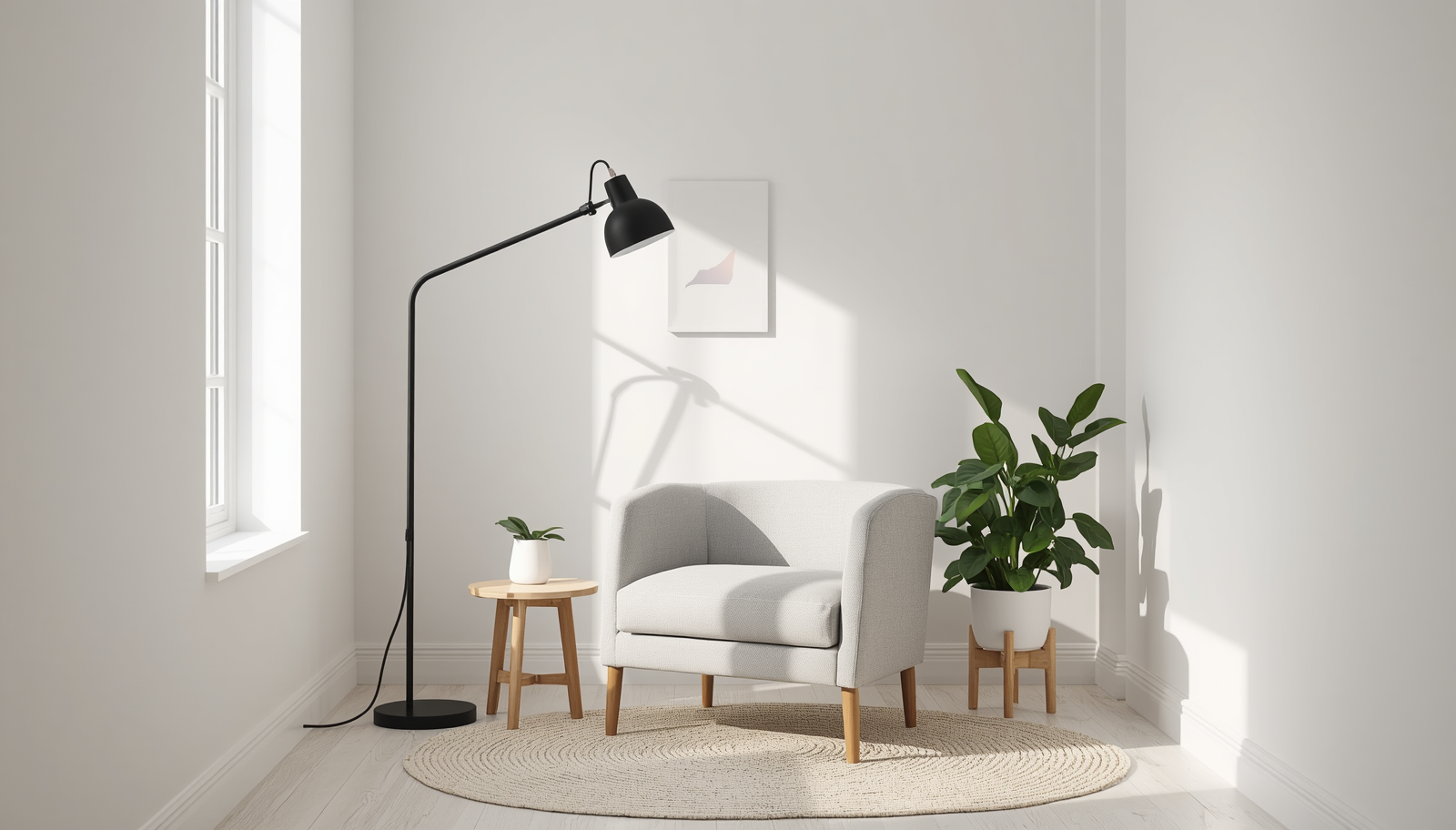
There’s a quiet kind of luxury that doesn’t come with a designer price tag. It doesn’t require a renovation, a contractor, or a Pinterest-perfect budget. It just takes a corner of your home, a handful of intentional choices, and the willingness to invest a little time and thought into a space that’s entirely yours.
A reading nook is that kind of luxury.
More than a spot for books, a reading nook is a personal sanctuary — a place to slow down, decompress, and step away from the noise of daily life. And here’s the best part: building one doesn’t have to cost a fortune. With smart budgeting and a few savings strategies, you can create a space that looks like it came straight out of an interior design magazine — without the interior designer’s invoice.
Let’s walk through exactly how to do it.
I. Why a Reading Nook Is Worth the Investment
Before we talk about budgets and build plans, let’s talk about value — because this isn’t just about aesthetics. A dedicated reading space has real, tangible benefits for your mental health, productivity, and quality of life.
Studies show that reading for as little as six minutes a day can reduce stress levels by up to 68%. When you have a designated space for that habit, you’re far more likely to actually use it. Think of your reading nook as an investment in your wellbeing — one that pays dividends every single time you sit down and open a book.
From a financial perspective, a well-designed reading corner also adds perceived value to your home. Whether you’re renting or own your space, a cozy, intentional room setup makes your home feel more curated and livable — and that matters when guests visit, when you’re renewing a lease, or when you eventually sell.
The bottom line: this is one of the most cost-effective home improvement projects you can take on.
II. Setting a Realistic Budget Before You Buy Anything

This is where most people go wrong. They fall in love with an aesthetic, start shopping, and suddenly they’ve spent $600 on a vintage armchair and a cashmere throw they didn’t need. Budgeting first isn’t just practical — it’s freeing. When you know your number, you make smarter, more intentional decisions.
Here’s how to approach your reading nook budget:
- Decide on your total spend. A beautifully functional reading nook can be built for anywhere between $50 and $500, depending on what you already own and what you’re starting from scratch. Decide your ceiling before you browse a single product.
- Audit what you already have. Walk through your home with fresh eyes. That armchair in the guest room, the throw blanket in the closet, the lamp collecting dust in storage — these are all potential nook materials. Repurposing what you own is the single greatest savings strategy in home decorating.
- Prioritize comfort over aesthetics. The chair or seating is your most important purchase. This is where to spend the majority of your budget. Everything else — cushions, lighting, accessories — can be found affordably or upgraded over time.
- Build in phases. You don’t have to complete your reading nook in one weekend or one purchase. Start with the seating and lighting. Add warmth and décor over the next few weeks as sales come up or as you find pieces you love. This pacing approach keeps spending controlled and intentional.
III. Finding the Right Spot Without Spending a Dime
The best thing about choosing a location for your reading nook is that it costs absolutely nothing. It’s all about observation.
3 things to look for when choosing your nook location:
- Natural light. A corner near a window is ideal. Sunlight makes any space feel warmer, calmer, and more inviting — and it means you won’t need as much artificial lighting during the day, which saves on your electricity bill over time.
- Quietness. The best reading spots are naturally insulated from foot traffic and household noise. Think: corners, alcoves, the space under a staircase, or a bay window that’s currently underused.
- Existing architecture. Built-in shelves, exposed brick, a sloped ceiling — these details add character without any additional cost. Let your home’s existing personality shape the aesthetic of your nook rather than fighting against it.
If you’re in a small apartment, don’t be discouraged. A nook doesn’t require a dedicated room or even a dedicated corner. A single well-placed chair with a lamp beside it and a small shelf above it is all you need to signal to your brain: this is my reading space.
IV. Building Your Nook on a Budget — Room by Room Breakdown
Seating
This is your anchor piece. The good news is that you have options across every price point.
- $0: Repurpose an existing chair or pile of floor cushions.
- $20–$80: Check Facebook Marketplace, Craigslist, or thrift stores. Gently used armchairs are one of the most commonly listed secondhand items, and many are in excellent condition.
- $80–$200: Entry-level accent chairs from IKEA, Wayfair, or Amazon can work well if chosen carefully. Look for chairs with good back support and a wide seat.
- $200+: If comfort is a priority and you plan to spend significant time here, a higher-quality chair is a worthwhile splurge — especially if you find one on sale during major retail events like Black Friday or Amazon Prime Day.
Savings tip: Set up Google Alerts or use price-tracking browser extensions like CamelCamelCamel (for Amazon) to get notified when the chair you want drops in price.
Lighting
Lighting transforms a space more than almost any other element — and it doesn’t have to be expensive.
- Warm-toned bulbs (2700K–3000K) create a cozy, amber glow. Swap out your existing bulbs before buying new lamps.
- A simple floor lamp with a fabric shade can be found for $25–$60 at most home stores or secondhand.
- Clip-on reading lights are a budget-friendly alternative at $10–$20 and can attach directly to a shelf or chair.
- Dimmable smart bulbs like those from IKEA’s Tradfri range or Amazon’s basic Alexa-compatible line let you control atmosphere from your phone — often for under $15 per bulb.
Warmth and Texture
This is the layer that makes a reading nook feel like a nook rather than just a chair in a corner.
5 affordable ways to add warmth:
- A plush throw blanket ($15–$35 at TJ Maxx, HomeGoods, or Kmart)
- Two or three textured cushions ($8–$20 each — mix patterns and fabrics for depth)
- A small area rug to define the space ($20–$60 from IKEA or thrift stores)
- A scented candle or reed diffuser for sensory calm ($10–$20)
- A small woven or macramé wall hanging to add visual texture above the chair ($15–$40 on Etsy or Amazon)
Total estimated cost for this section: $68–$175
Storage and Side Tables
Books need somewhere to live, and your coffee needs somewhere to sit.
- A simple floating shelf installed above your chair costs as little as $10–$20 in materials and keeps your floor space open.
- IKEA’s LACK side tables are a perennial budget favorite at around $15.
- Crates, wooden boxes, or repurposed stools can serve double duty as side tables and storage.
V. Personalizing Your Space Without Overspending
This is the part people overlook — and it’s the part that makes the biggest difference. A reading nook that feels personal to you is a reading nook you’ll actually use.
6 personal touches that cost little to nothing:
- Frame a favorite quote and print it at home for under $2 in ink
- Display a small stack of books you love — spine-out, color-coordinated if you like
- Add a single potted plant (pothos or snake plants are near-indestructible and inexpensive at $5–$15)
- Place a small tray on your side table for your reading essentials — a candle, your bookmark, a lip balm, whatever you reach for
- Hang a string of warm fairy lights for a soft, ambient glow at night ($8–$15)
- Use a small photo or postcard from somewhere meaningful to you as a decorative element
The goal isn’t Pinterest perfection. The goal is a space that feels genuinely yours — comfortable, calming, and a little bit magical.
VI. Maintaining Your Reading Nook Without Ongoing Costs
Once your nook is built, keeping it special doesn’t require ongoing spending. It requires habits.
- Protect it. Treat your reading nook as a screen-free zone. When you sit there, it’s for reading, journaling, or simply resting — not scrolling.
- Refresh it seasonally. Swap your throw blanket for a lighter one in summer. Move a plant in or out. These small shifts keep the space feeling intentional without buying anything new.
- Keep it tidy. A cluttered nook loses its magic quickly. A book, a blanket, a candle, and a cup — that’s all it needs.
Your Reading Nook Is Closer Than You Think
Here’s the truth: most people don’t build a reading nook because they assume it requires more money, more space, or more time than they have. But as you’ve seen, none of that is true. With a budget as modest as $50 — and creativity as your most valuable resource — you can carve out a corner of your home that genuinely changes how you feel in your space.
Start small. Start today. Move a chair. Grab a blanket. Turn on a warm lamp.
Your reading escape is one intentional decision away.
Ready to transform your home one cozy corner at a time? Save this article, share it with someone who needs a little sanctuary in their life, and drop a comment below telling us — what does your dream reading nook look like?